Standards · AI · Interoperability

Building Africa’s interoperability foundation

Making interoperability in health, work intelligently.

We help African health technology teams move from fragmented, proprietary systems to standards-based, conformance-validated architectures — so health data can finally move where it’s needed.

3
Countries engaged
4+
Systems tested
8+
FHIR Implementation Guides published

Africa carries 24% of the global disease burden but a fraction of the world’s accessible, structured health data. Not because the data doesn’t exist — but because the systems holding it can’t talk to each other.

4+
Health systems tested for FHIR conformance
8+
National Implementation Guides published
10
Technical staff trained through SAIIL cohorts
Our approach

Four pillars, one methodology

Every SAIIL engagement moves through the same sequence — each pillar building on the one before it: people first, then tools, then proof, then transfer of knowledge.

01T

Teaming

People before platforms

Cross-functional cohorts of developers, clinical informaticians, and ministry representatives come together in structured mentorship cycles — typically 8–12 weeks — learning to build and govern interoperable systems together, not in isolation.

02T

Tooling

Shared infrastructure

Every team gets access to pre-configured, open-source interoperability infrastructure — HAPI FHIR, the SAIIL Test Bed, and FSH/SUSHI authoring environments — so no one starts from zero.

03T

Testing

Trust, but verify

Systems are tested — automatically and repeatedly — against national and international FHIR standards using the SAIIL sandbox. Conformance isn’t declared. It’s demonstrated.

04T

Training

Fundamentals to production

A phased curriculum takes teams from FHIR basics through profile authoring to full cross-system integration testing — contextualised to African health system realities, delivered low-bandwidth and train-the-trainer ready.

Where AI fits

Intelligence layered on standards, not instead of them

FHIR and IHE profiles set the rules. AI helps teams get there faster — suggesting mappings, explaining failures in plain language, and catching data-quality issues before they reach the test bed. The standard stays the source of truth; the ministry stays in control.

  • Smart mapping

    AI analyzes existing FHIR R4 resources and implementation requirements to recommend mappings to profiles, extensions, and value sets, helping implementers accelerate FSH-based implementation guide development.

  • Conformance copilot

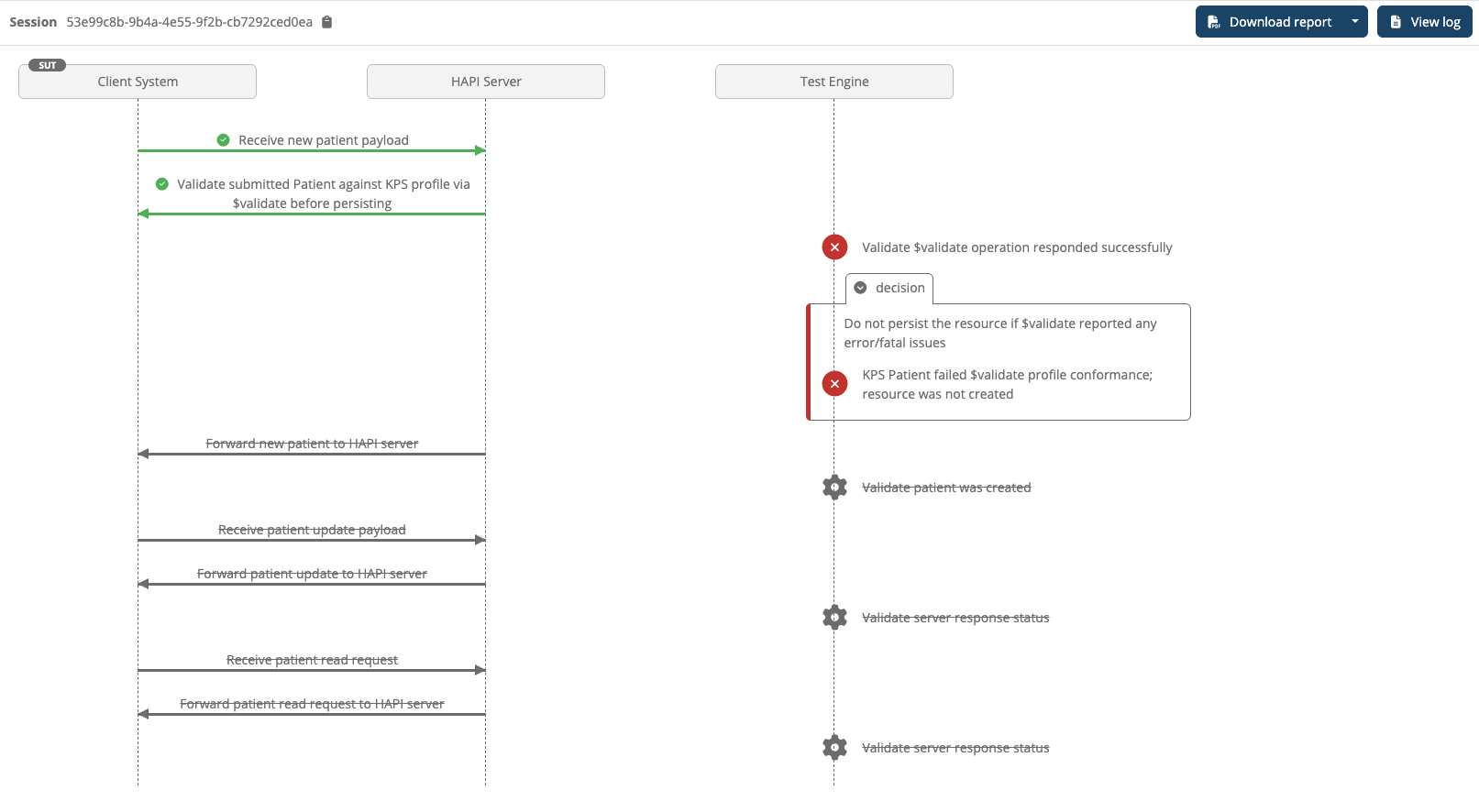
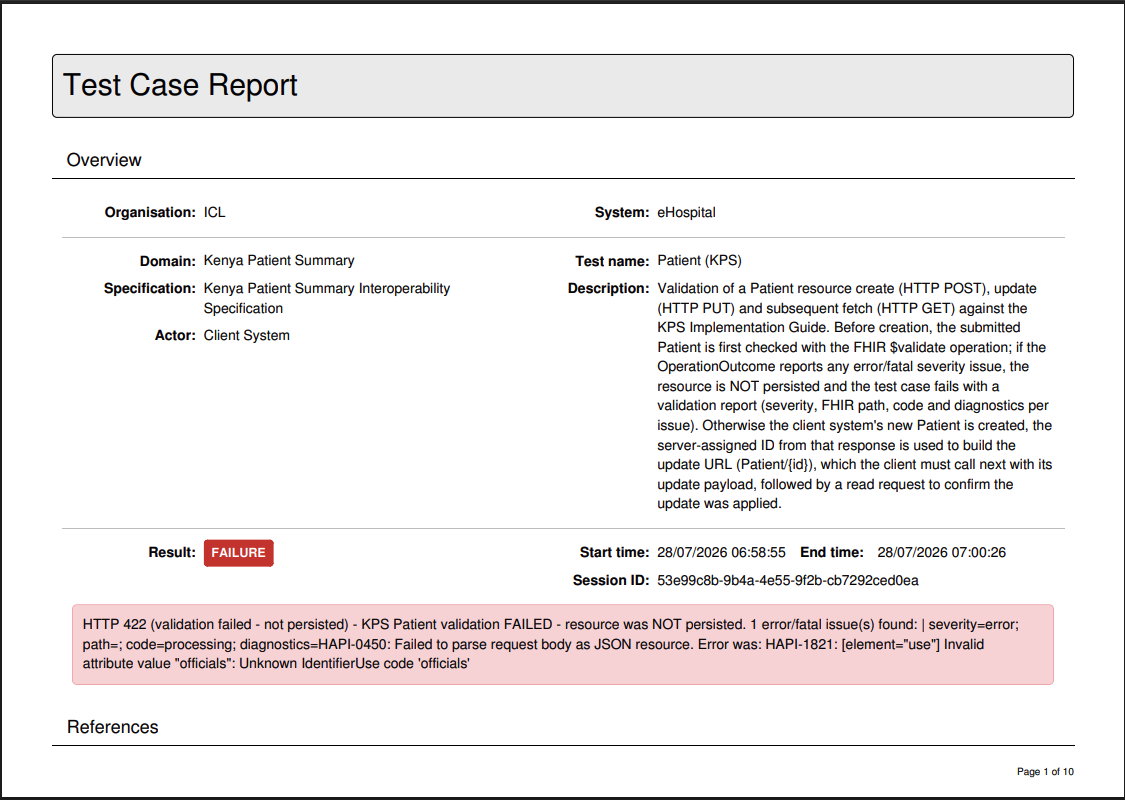
    When validation fails, AI explains why in plain language — not just an error code — and points to the specific rule in the implementation guide.

  • Anomaly detection

    Pattern recognition flags likely data-quality issues — duplicate identifiers, coding drift, missing references — before they ever reach the test bed.

The sandbox

Test before you trust

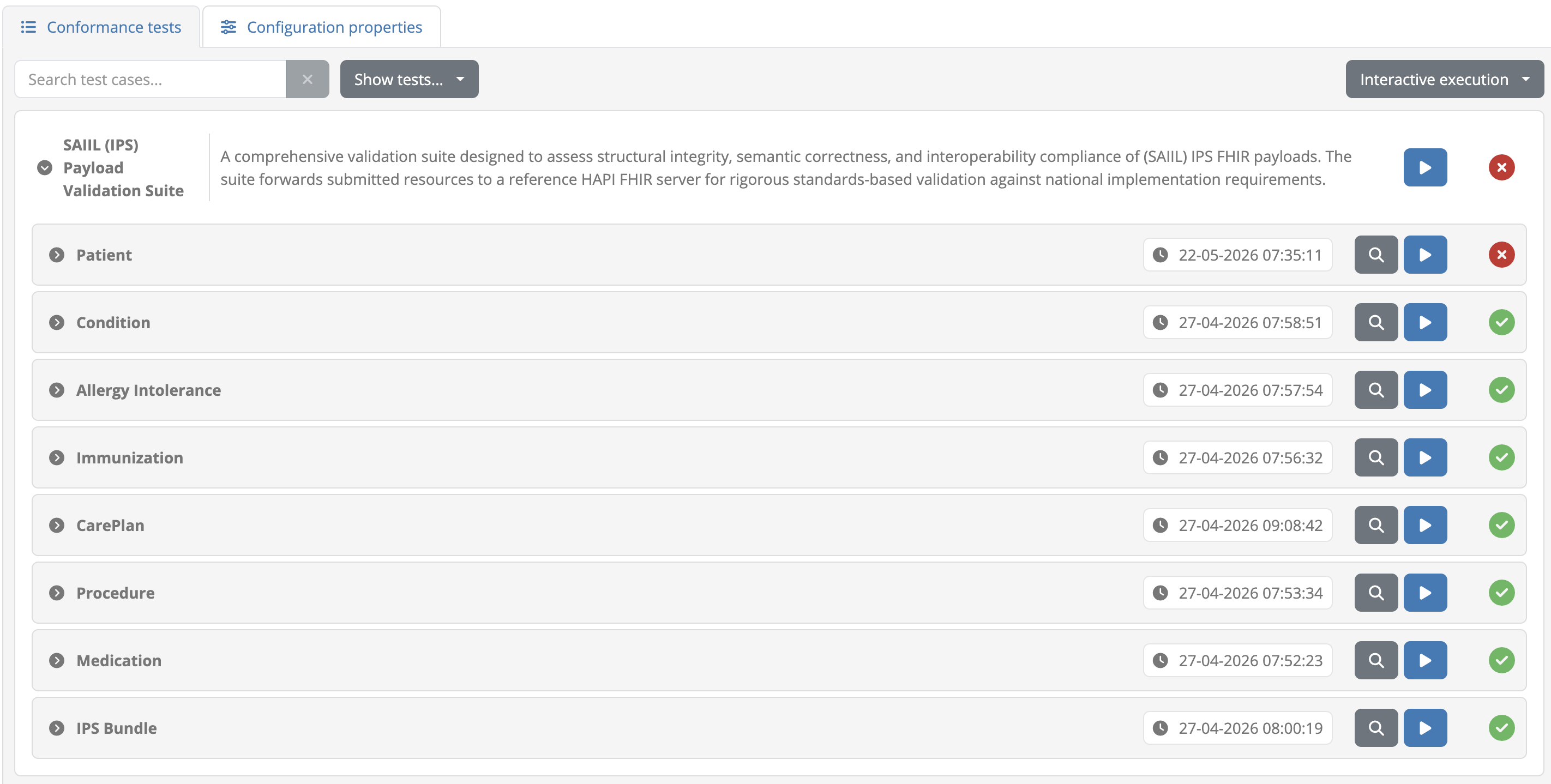
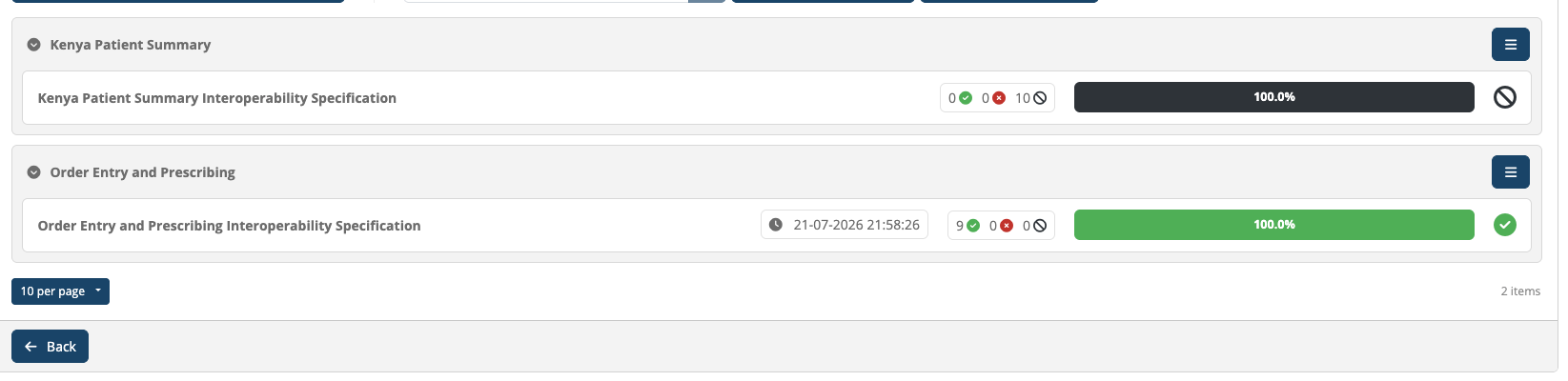
Our Interoperability Test Bed validates that health systems conform to FHIR standards — before they ever connect to a live health information exchange.

> validating Claim resource against ke-eclaims-claim
 
"resourceType": "Claim",
"status": "active" ✓ valid
"type.coding.code": "institutional" ✓ valid
"insurer.reference": "Organization/NHIF-KE" ✓ valid
"diagnosis": [ ] ✗ required, min 1
 
> 3 of 4 checks passed · 1 blocking error
  • 01 Sends standardised requests against the relevant national FHIR Implementation Guide
  • 02 Validates structure, coding, and referential integrity — not just presence of data
  • 03 Returns specific, actionable results — not a vague pass or fail
  • 04 Conformant systems receive a certificate, ready for connection to live exchange
Request sandbox access →

We don’t replace government investments. We make them interoperate.

Countries & partners

Working alongside existing systems

SAIIL works with — not instead of — national institutions and existing digital health investments.

Governments
Implementing partners
[Partner logos]
Standards bodies
[HL7]
Funders
[Funder logos]

Ready to build systems that actually talk to each other?

Whether you’re a ministry, an implementer, or a funding partner — there’s a place to start.

Contact

Get in touch

Ministry, implementer, or funding partner — send us a message and we’ll follow up.

Email us directly

Prefer to write straight to our inbox? We read every message.

davidmukungi@saiil.africa